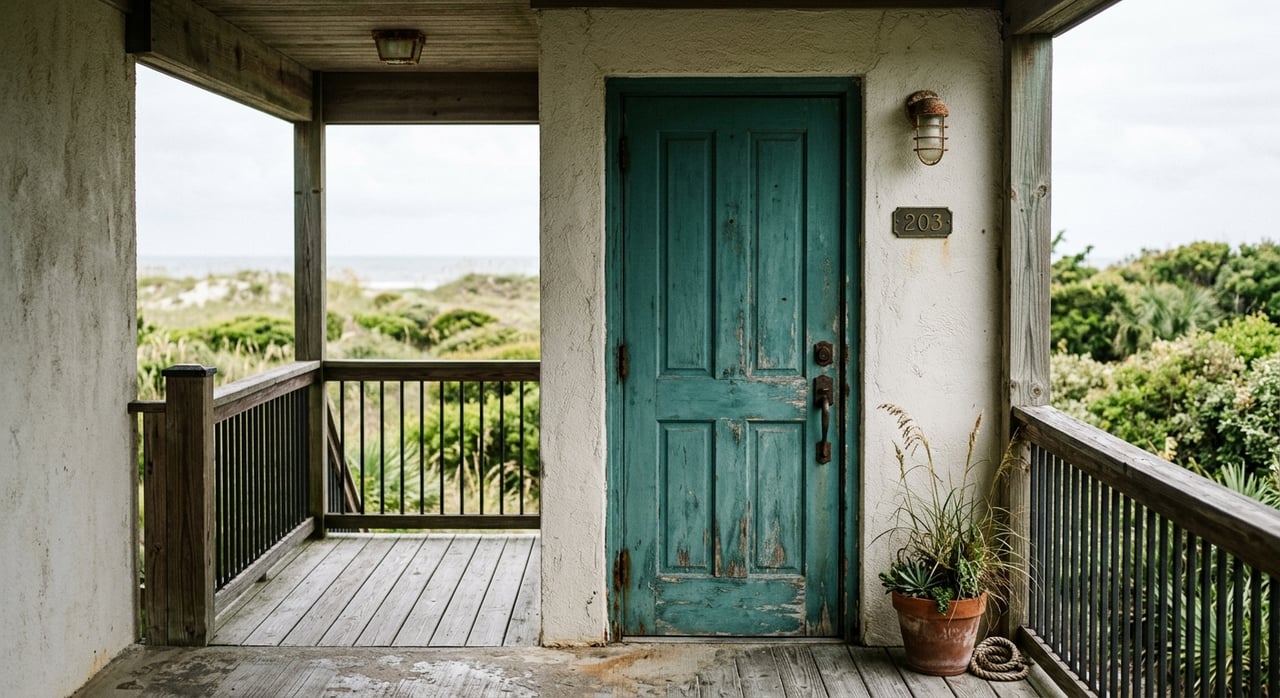
Getting Started With Oceanfront Condos In Myrtle Beach
June 11, 2026
June 11, 2026
Buying an oceanfront condo in Myrtle Beach can feel simple at first glance. You find a great view, picture weekends by the water, and start thinking about rental income or easy coastal living. But with oceanfront condos, the details behind the building matter just as much as the view from the balcony. If you are just getting started, this guide will help you focus on the issues that matter most before you fall in love with a unit. Let’s dive in.
An oceanfront condo purchase in Myrtle Beach is usually a three-part review. You need to confirm the unit’s legal use, the health of the condo project, and whether financing and insurance will work for your plans.
That matters because not every oceanfront condo fits every goal. A unit that works well for personal use may not work for short-term rentals, and a building with a great location may still raise concerns for lenders or insurers.
Before you compare buildings, get clear on how you want to use the condo. Your plan affects which properties make sense and which ones you should skip early.
For example, you may be looking for one of these:
That sounds basic, but it shapes almost every part of your search. In Myrtle Beach, rental rules can depend on the exact address, the building’s classification, and the condo documents themselves.
In Myrtle Beach, oceanfront condo use is not just about what an owner wants to do. The city publishes a Short Term Rental Zone Map, and there is also a Short-Term Rental Conversion Overlay between Kings Highway and the Atlantic Ocean within city limits.
In that overlay, buildings with more than two units that were built or used as visitor accommodations generally cannot be rented or leased for 90 continuous days or more, except for certain listed exceptions tied to some pre-existing long-term rental licenses. The practical takeaway is simple: do not assume a condo can be rented the way you want just because it is oceanfront.
South Carolina’s Horizontal Property Act allows the master deed to include restrictions on lease amount and lease term. That means the building’s own governing documents may limit rentals even if the location seems favorable.
When you are evaluating a condo, ask two direct questions right away:
If rental income is part of your plan, this step should come before serious financial modeling. It saves time and helps you avoid properties that look appealing but do not fit your goals.
For oceanfront condos, the homeowners association is a major part of the purchase decision. South Carolina law requires associations to keep detailed records that can include receipts and expenditures, the declaration, bylaws, rules, minutes, insurance policies, management agreements, and accounting records.
That means the HOA file is not background paperwork. It is one of the clearest ways to understand how the building is run, how money is managed, and whether future costs may be coming.
When you are looking at a Myrtle Beach oceanfront condo, ask for and review:
These documents can reveal issues that are not obvious during a showing. You may learn about elevator repairs, roof work, water intrusion, reserve shortfalls, or larger maintenance projects that affect both cost and financing.
Under South Carolina condo law, common elements include items like roofs, halls, stairways, elevators, and central service systems. In an oceanfront setting, those systems take more wear over time, so building age matters in a practical way.
An older building is not automatically a bad choice. But deferred maintenance in a coastal property can turn into a budget issue quickly, especially when major components need repair or replacement.
As you review a project, ask whether there has been:
Fannie Mae says projects needing critical repairs may be ineligible for conventional financing when they have material deficiencies, water intrusion, advanced deterioration, failed mandatory inspections, or large unfunded repairs above certain thresholds. Lenders may also review HOA minutes, engineer reports, inspection reports, reserve studies, and special assessment documents.
That is why a pretty lobby and strong rental history should never replace a careful look at the building itself.
With a single-family home, financing often focuses heavily on the buyer and the property. With condos, the project itself also matters.
For conventional loans, the lender must determine whether the condo project meets project standards. Fannie Mae notes that lenders may review budgets, financial statements, reserve studies, HOA information, management company records, insurance details, and other project documents.
If you are considering a newer tower or a converted property, project status matters too. Fannie Mae generally treats an established condo project as 100 percent complete, at least 90 percent conveyed, not subject to added phasing or annexation, and turned over to unit-owner control.
It is also important to know that some condo-hotel, timeshare, fractional, or similar resort-style ownership structures may not be eligible for standard Fannie Mae delivery. In Myrtle Beach, where some buildings can blur the line between residential condo ownership and hospitality use, that question should come up early.
FHA financing can be available for condo units, but HUD says the project must be FHA-approved or qualify for single-unit approval. HUD also reviews factors like insurance coverage, financial condition, title, pending legal action, and physical property condition.
If you plan to use FHA financing, it helps to ask upfront whether the project has a history of supporting that type of financing. That can narrow your search faster.
South Carolina law requires the council of co-owners to insure the property against risks. Fannie Mae also requires master property insurance for condo projects and general liability insurance for condo and co-op projects.
For you as a buyer, that means HOA insurance is not just an administrative detail. It is part of the project’s financial health and part of your lender’s review.
For oceanfront condos, flood risk should be checked building by building. FEMA’s Flood Map Service Center is the official source for flood hazard information, and mortgages in a designated Special Flood Hazard Area generally require flood insurance.
When you are comparing condos, ask:
Those answers can meaningfully change your budget, even when two condos have similar list prices.
South Carolina law states that unpaid assessments are a lien against the unit. It also says a buyer can be jointly and severally liable with the seller for amounts due before closing.
That is why a current assessment statement, payoff, or estoppel-style review matters before you close. You want a clear picture of what is owed, whether any special assessments are active, and whether new charges may already be under discussion.
This is one of those details that can feel small until it is expensive. A careful review here protects you from surprises after closing.
If you want a simple checklist, start here. These questions can help you evaluate whether a Myrtle Beach oceanfront condo is actually a good fit:
Asking these questions early can save you time, money, and frustration. It also helps you compare buildings based on real-world ownership experience, not just photos and amenities.
Oceanfront condos can be appealing because they offer a simpler way to enjoy the coast. At the same time, they often involve more layers of review than buyers expect, especially when rental use, flood exposure, HOA finances, and project financing all come into play.
That is where steady local guidance can make a real difference. When you have someone helping you sort through condo documents, building questions, and practical tradeoffs, it becomes much easier to find a property that fits both your lifestyle and your comfort level.
If you are considering an oceanfront condo in Myrtle Beach, working with an experienced local advisor can help you narrow the search, ask better questions, and move forward with more confidence. When you are ready to talk through your options along the Grand Strand, connect with William Bill Moody.
Stay up to date on the latest real estate trends.

With over 30 years of experience and deep roots in the Grand Strand, I bring trusted guidance and local insight to every transaction. Whether you're selling your current home or searching for the perfect place by the beach, I provide strategic advice, attentive service, and clear communication from start to finish. My goal is to make your move seamless, informed, and completely stress-free.