Imagining Life In Historic Georgetown
May 28, 2026
May 28, 2026
Looking for a coastal town with real history, everyday walkability, and a slower pace than the larger beach markets? Historic Georgetown offers a lifestyle that feels rooted, scenic, and practical all at once. If you are wondering what it might be like to live here full time, use it as a second home base, or simply make a move somewhere with character, this guide will help you picture daily life more clearly. Let’s dive in.
Georgetown is the county seat on Winyah Bay and is recognized by county and preservation sources as South Carolina’s third-oldest city, laid out in 1729. With a population of 8,403 at the 2020 Census, it feels like a compact small city rather than a crowded coastal destination.
That matters when you are choosing where to live. Historic Georgetown is not a staged attraction or recreated village. It is a real port town with a preserved center, long ties to trade and seaport activity, and an everyday rhythm shaped by both history and the water.
If you imagine living in historic Georgetown, much of that picture starts downtown. Front Street and the Harborwalk anchor daily life with restaurants, shops, parks, and waterfront views gathered in one compact area.
The Harborwalk is more than a scenic spot for visitors. Local planning and tourism sources describe it as a waterfront promenade tied directly to downtown activity, so your day might include errands, lunch, and a walk by the water without needing to drive from place to place.
The most walkable part of Georgetown is the historic core around Front, Prince, Highmarket, Duke, and Church streets. The city notes that sidewalks in this area are in good condition, and on-street parking is common throughout the historic district.
That said, Georgetown still functions like an old coastal downtown. Parking demand can be heavier on Front Street during busier times, so convenience comes with a small-town tradeoff. You get charm and access, but not the layout of a suburban shopping corridor.
One of Georgetown’s biggest lifestyle advantages is that the waterfront is not tucked away from town life. The harbor remains active, and city planning materials describe it as a working harbor as well as a recreational one.
That gives downtown a more authentic feel. Instead of a waterfront built only for tourism, Georgetown still reflects boating, fishing, and maritime activity as part of everyday life.
Historic Georgetown has the kind of civic calendar that helps a place feel connected year-round. According to the city plan, recurring events include the farmers market, Wooden Boat Show, Winyah Bay Heritage Festival, Harborwalk Festival, Taste of Georgetown, Summer Concert Series, Holiday Tour of Homes, downtown parades, a Food, Beer and Wine Festival, and an Art and Wine Walk.
For you as a resident, that can mean more than occasional entertainment. It suggests a downtown where people gather regularly and where local culture stays visible through the seasons.
If being near the water is part of your lifestyle, Georgetown stands out. Boating is not a side feature here. It is woven into the town’s identity.
City planning materials note that commercial fishing, charter vessels, and recreational boating are still common. Historic Georgetown’s boating information also describes Georgetown Harbor as a stopover on the Intracoastal Waterway, with restaurants and stores within walking distance.
Harborwalk Marina sits close to the historic district on the Sampit River, and Georgetown County maintains 25 boat ramps and facilities. If you enjoy time on the water, that kind of access can shape how you live here from week to week.
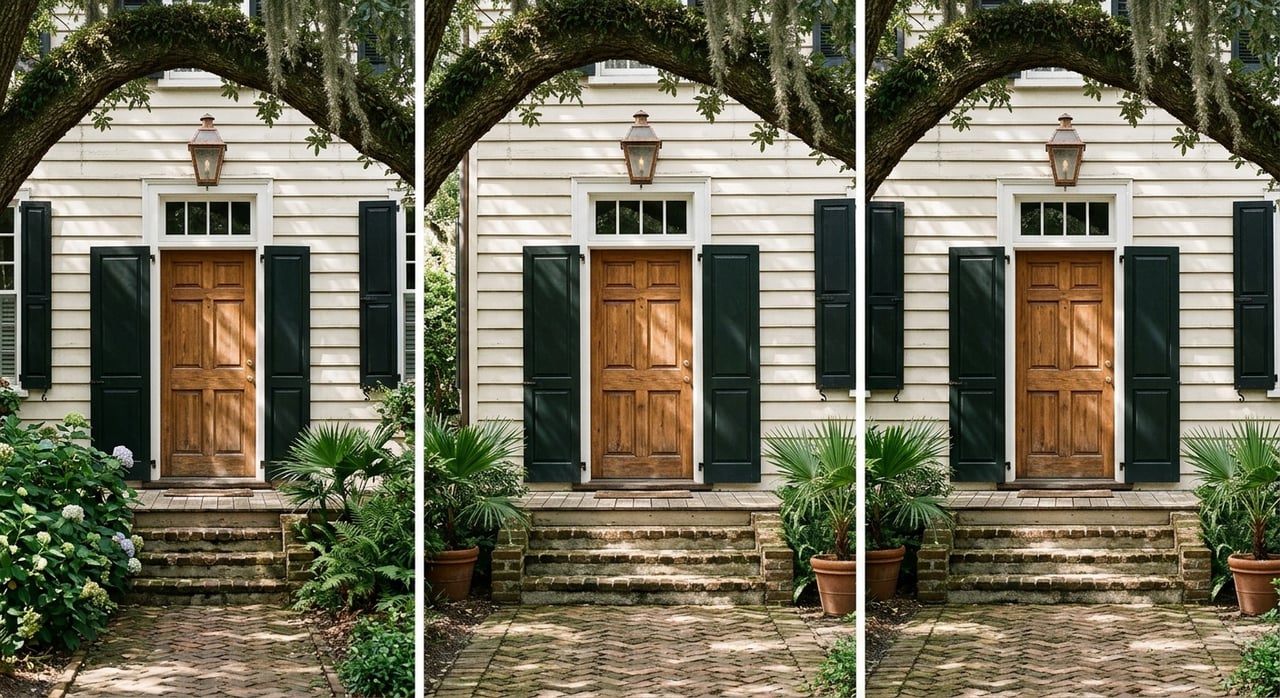
The housing story is one of Georgetown’s strongest draws. State preservation research shows that the Georgetown National Register Historic District includes resources from the 1729 to 1921 period of significance, and the city uses preservation tools such as the Architectural Review Board when evaluating rehabilitation and construction.
For buyers, that usually means two things at once. You get older streetscapes, established architecture, and a more cohesive historic setting, but you may also have less freedom when it comes to exterior changes than you would in a typical newer neighborhood.
Historic Georgetown feels unusually intact because much of its older fabric remained in place over time. State preservation materials note that the city largely avoided the urban renewal and interstate-construction patterns that changed many older downtowns.
That helps explain why the area feels genuine. The homes, churches, public buildings, and shaded streets are part of a long-standing urban pattern, with architecture ranging from early colonial and Georgian forms to later Classical Revival styles.
If you are drawn to historic homes, Georgetown can be appealing for its character and setting. At the same time, preservation oversight may affect renovation plans, design choices, and how exterior work is reviewed.
That is not necessarily a drawback. For many buyers, it is part of what protects the look and feel of the area over time.
Not every buyer wants to live inside the historic grid, and Georgetown gives you options. County planning says newer residential growth has been more concentrated on the Waccamaw Neck rather than inside the old downtown pattern.
That means you can compare very different living environments within a short drive. You might prefer a historic street near downtown, or you may find that a newer coastal neighborhood better fits your layout, maintenance, or lifestyle goals.
The contrast is useful if you are relocating and still learning the market. Georgetown offers preserved streets, waterfront-town character, and a compact center, while surrounding areas on the Waccamaw Neck include more master-planned communities and lower-density residential areas.
This wider choice is one reason Georgetown works well for many buyers. You are not limited to one style of coastal living.
Georgetown fits into a broader coastal system rather than standing alone. Georgetown County places it between Myrtle Beach and Charleston within about an hour’s drive of either, and the city plan describes Georgetown as the southern gateway to the Grand Strand.
For you, that can mean a calmer home base with access to larger coastal destinations when needed. You can enjoy a slower daily pace without feeling cut off from the wider region.
Even if you live in or near historic Georgetown, the larger coastal lifestyle is still close by. County recreation planning identifies public beach access points in Garden City, Litchfield, and Pawleys Island, and the Waccamaw Bikeway runs through Pawleys Island, Litchfield, and Murrells Inlet with plans to extend south toward Georgetown.
The area also benefits from nearby protected natural spaces. Waccamaw National Wildlife Refuge supports fishing, wildlife observation, photography, and environmental education, giving residents another way to enjoy the coastal landscape beyond the downtown waterfront.
Every coastal town comes with tradeoffs, and Georgetown is no different. The same waterfront setting that gives the city its identity also brings practical considerations.
The city plan states that Georgetown’s location on Winyah Bay and its proximity to the Atlantic Ocean make it vulnerable to flooding. If you are considering a move here, it is wise to approach the charm with realism and understand that water access and flood awareness often go hand in hand.
There is also a lifestyle adjustment to consider. Georgetown functions more like an old port city than a freeway-oriented suburb, which many buyers love, but it helps to know that before you make a move.
Historic Georgetown can be a strong fit if you want a place that feels established, walkable in key areas, and connected to the water in a meaningful way. It may especially appeal to buyers looking for a full-time coastal move, a second-home setting with character, or a town that offers both history and access to the wider Grand Strand and Waccamaw Neck.
If your priority is newer construction, highly standardized neighborhoods, or a more suburban layout, you may want to compare Georgetown carefully with nearby communities. The right fit often comes down to how you want your daily life to feel.
Historic Georgetown offers something that can be hard to find on the coast: authenticity. You have a preserved downtown, a working waterfront, established architecture, active community events, and access to boating, beaches, and natural spaces without the pace of a larger tourist-heavy market.
If you are weighing Georgetown against other coastal communities, the most helpful next step is usually to look beyond photos and think about your routines. Where will you walk, park, dine, launch a boat, or spend a quiet afternoon? Those everyday details are often what turn a charming town into the right place to call home.
If you are considering Georgetown or nearby coastal communities, William Bill Moody can help you compare neighborhoods, understand the local market, and make a move with confidence.
Stay up to date on the latest real estate trends.

With over 30 years of experience and deep roots in the Grand Strand, I bring trusted guidance and local insight to every transaction. Whether you're selling your current home or searching for the perfect place by the beach, I provide strategic advice, attentive service, and clear communication from start to finish. My goal is to make your move seamless, informed, and completely stress-free.